Collection Queens Artisan Heritage About
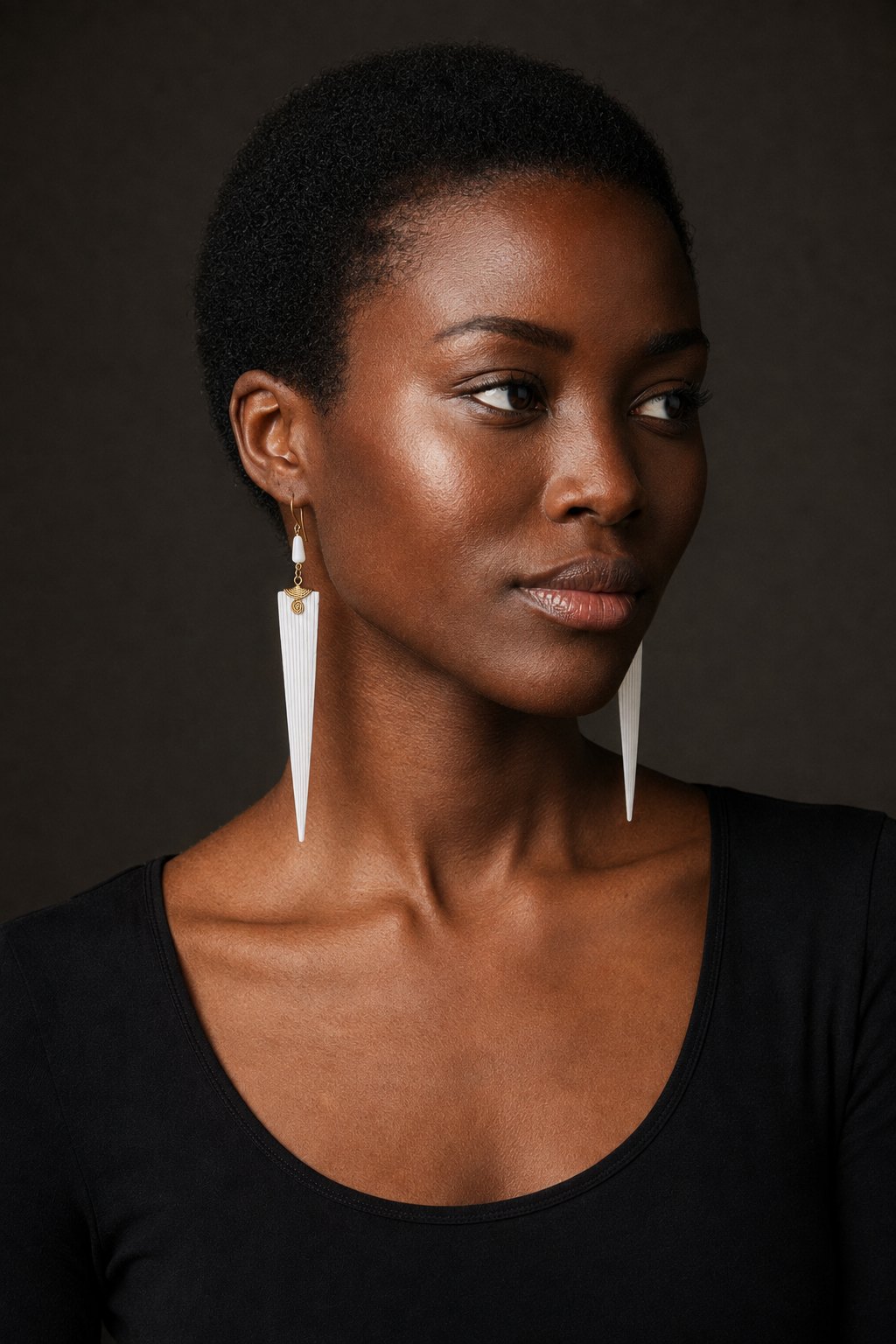
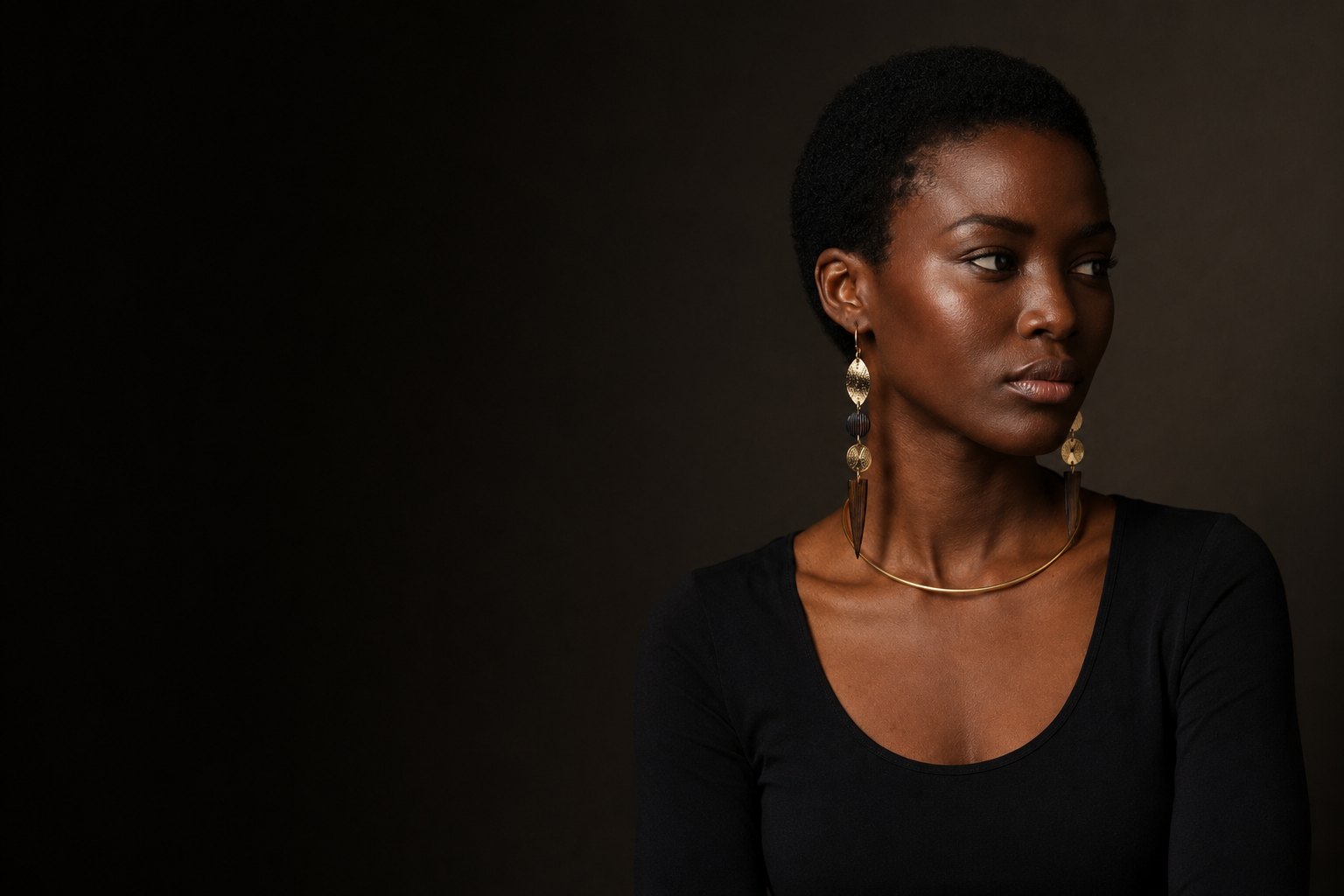
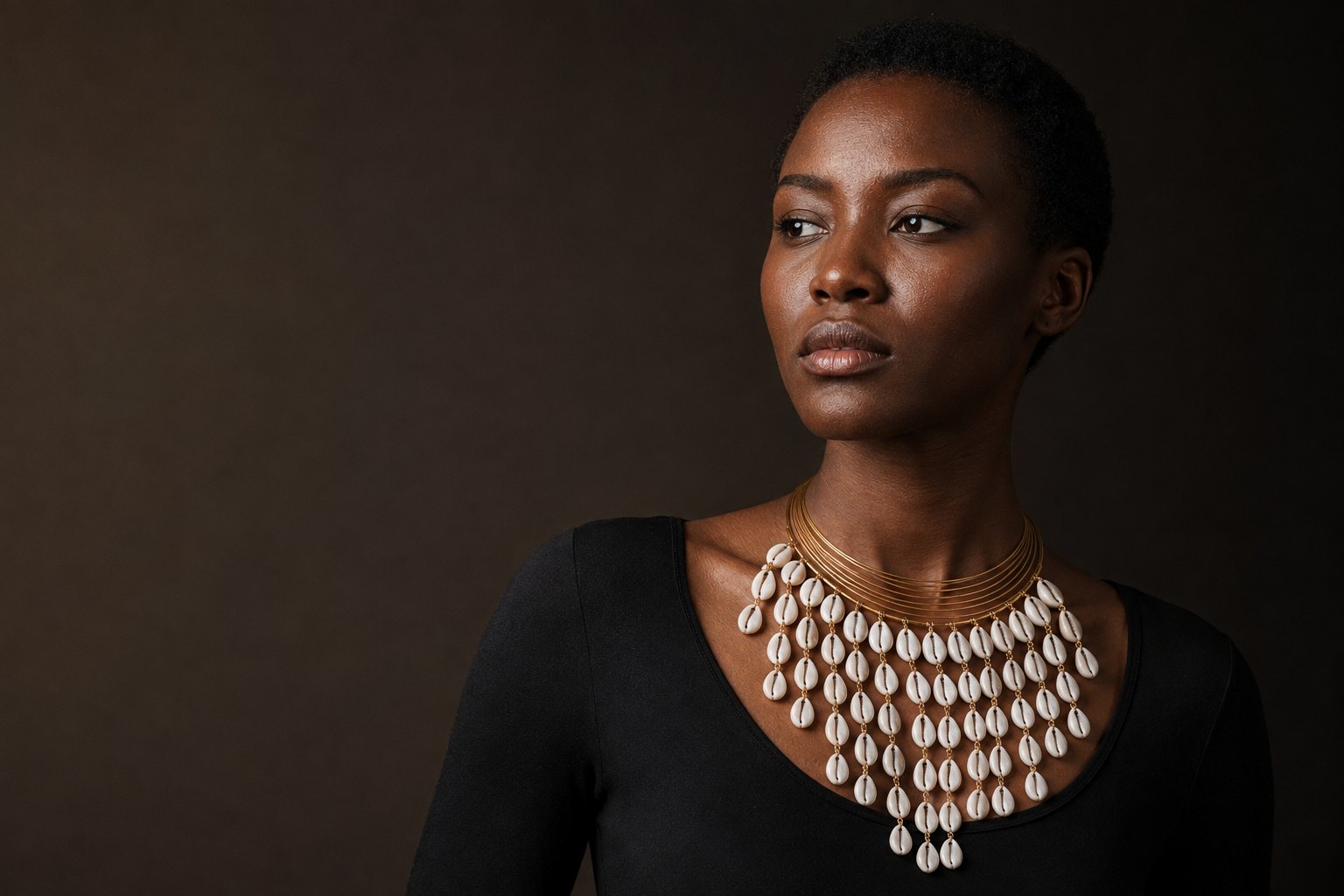
African queen wearing gold collar necklace, earrings and cuff

Ethically Sourced · Artisan Crafted · African Heritage

ZAR~KA African Royalty

African Royalty Jewellery Collection

Explore the Collection
Scroll
Ethically Sourced Brass African Royalty Handcrafted Heritage Queens & Warriors Cultural Legacy Timeless Elegance Wear Your History Ethically Sourced Brass African Royalty Handcrafted Heritage Queens & Warriors Cultural Legacy Timeless Elegance Wear Your History

Shop by
Category

From ancestral beadwork to hammered brass —
each category carries a distinct tradition.

Earrings
Earrings
16 pieces
Necklaces
Necklaces
5 pieces
Bracelets & Cuffs
Bracelets & Cuffs
17 pieces
Rings
Rings
8 pieces
Statement Sets
Statement Sets
2 sets
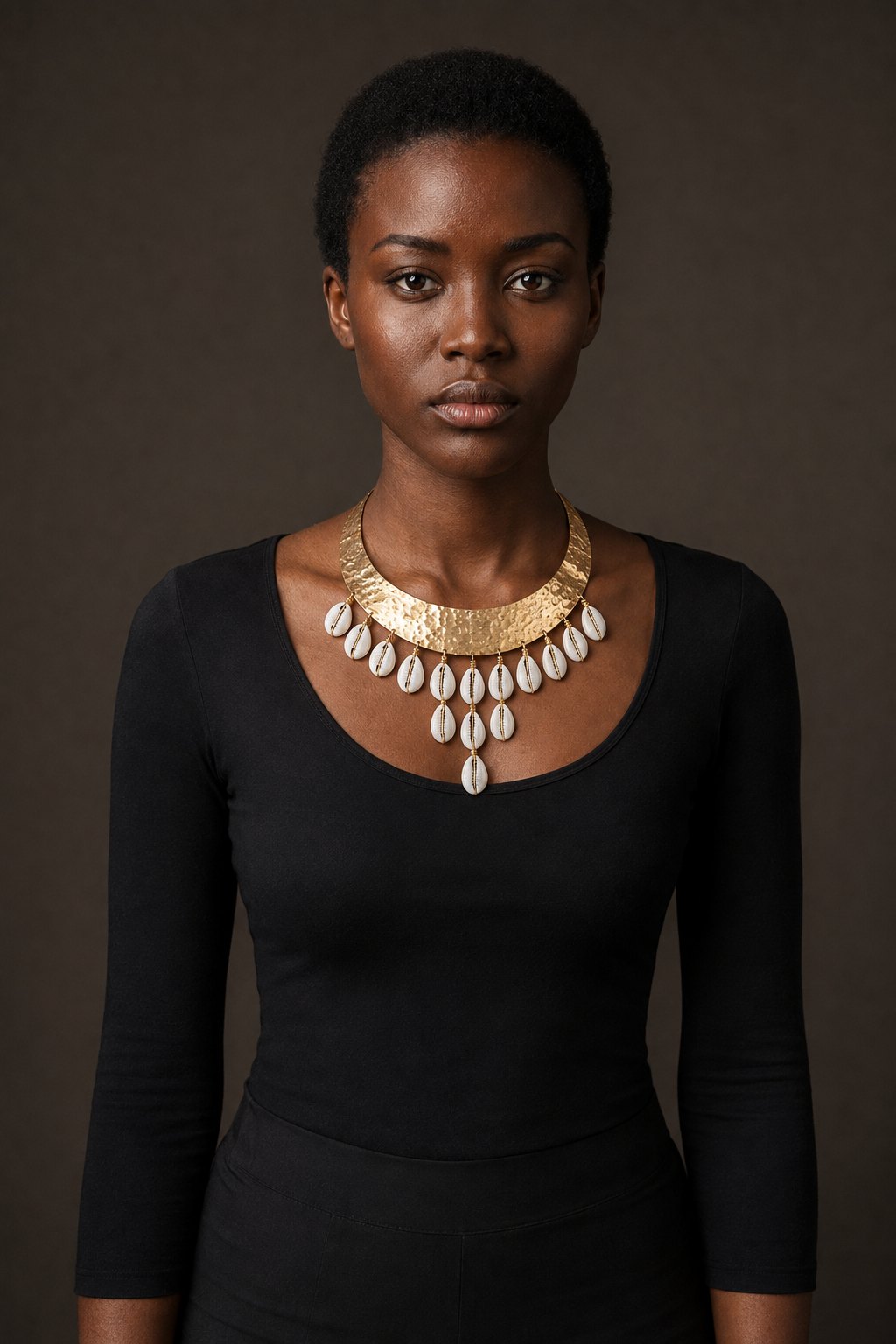
Model wearing the Hammered Moon Collar
01

Born from the soil
of ancient kingdoms

ZAR~KA was conceived as an act of remembrance. Every bead strung, every brass piece cast, every wire bent is an echo of the queens who adorned themselves not for beauty alone — but as declaration of lineage, power, and sovereignty.

We work exclusively with Kenyan artisans — Maasai beadworkers from Kajiado, Kikuyu metalworkers from Nairobi, coastal silversmiths from Mombasa's Old Town. Each piece is ethically sourced, sustainably made in Kenya, and carries a certificate of artisan origin.

When you wear ZAR~KA, you wear a story. A throne. A legacy.

47+

Kenyan Artisan Families

6

Kenyan Counties

100%

Made in Kenya

How your piece
finds you

A ZAR~KA piece does not begin in a factory. It begins in the earth, passes through seven pairs of hands, carries a name, and arrives with a certificate. This is every step of that journey.

01 · The Source

Kenya provides everything

Brass wire coiled on spools at Nairobi's Industrial Area. Glass seed beads — red, cobalt blue, white, orange — traded through Nairobi's bead market on Biashara Street, where they have arrived from the coast and across the Indian Ocean for over two hundred years. Cowrie shells collected on the Kenyan coast between Malindi and Lamu. Semi-precious stones found in the Tsavo and Taita Hills. Everything that makes your piece starts here, in this country.

Nairobi · Mombasa · Kenyan Coast

02 · The Artisan

She learned before she could write

The materials reach a Maasai woman in Kajiado, or a Kikuyu metalworker in the workshops off Ngong Road, or a coastal artisan in Mombasa's Old Town. She has been doing this since her mother sat her down at age seven and threaded the first needle into her hand. She does not work from a pattern sheet. The pattern lives in her memory, passed down the same way language is — by repetition, by watching, by doing until it is part of you.

Kajiado · Ngong Road, Nairobi · Mombasa Old Town

03 · The Colour

Every bead is a word

In Maasai tradition, colour is language. Red speaks of courage, blood, and the warrior's strength. Blue is sky and water — life given and life taken. White is purity, health, and peace. Green is the land and the cattle it feeds. Orange is warmth, friendship, and the colour of the sun just before it sets over the Rift Valley. When a Maasai woman chooses her beads, she is not choosing an aesthetic. She is writing a sentence. Every ZAR~KA piece carries that conversation.

Maasai Beadwork · Colour as Language

04 · The Making

Row by row. Wire by wire.

A single beaded collar takes between three and five days. The artisan strings each bead individually — there is no shortcut, no machine, no automation. For brass pieces, the wire is coiled by hand around a wooden mandrel, hammered flat, shaped over a steel form. Every curve you see is the result of a physical decision made in real time by a real person. Kenyan craftswomen do not make jewellery. They make time. Compressed, given form, worn on your body.

3–5 Days Per Collar · Hand-Strung

05 · The Circle

Women make this together

Most Kenyan beadwork is not made alone. It is made in a circle — women sitting together, talking, singing, working. The cooperative structure is ancient. At Kazuri Beads off Karen Road in Nairobi, over three hundred single mothers have supported their families this way for decades. At ZAR~KA partner workshops in Kajiado, the same tradition holds. Your piece was made in community. Someone was laughing when she strung the third row. That matters.

Karen, Nairobi · Kajiado · Women's Cooperatives

06 · The Signature

Her name is on it. She means it.

Before it leaves the workshop, the artisan signs her work. In beadwork, different colour combinations and pattern sequences identify the maker's community and even her family within it — a tradition older than any brand mark. ZAR~KA adds a physical card: her name, her community, a photograph taken at her workshop. When you hold your piece, you hold her accountability. She made it well because her name is on it. That is the oldest quality standard in the world.

Artisan Signed · Certificate of Origin

07 · Nairobi Quality

It passes through our hands too

Every piece reaches the ZAR~KA studio in Nairobi, where our team checks the tension of every bead string, the integrity of every clasp, the finish of every brass edge. We pay the artisan before this check — quality control is not a threat, it is shared pride. If something is not right, it goes back to be remade. Not discarded. Remade. Because the material is ethically sourced and the labour is fairly paid and none of it is wasted.

ZAR~KA Studio · Nairobi CBD

08 · The Packaging

The box is part of the gift

Your piece is wrapped in unbleached cotton, placed in a ZAR~KA box made from recycled Kenyan board, sealed with wax and our emblem. Inside: the piece, the artisan card, a care guide printed on seed paper you can plant, and a short note from the cooperative. Ships within Kenya via Sendy same-day or Posta overnight. International orders via DHL Express from Nairobi. The packaging is designed to be kept. Many customers use the box for years. That is not an accident.

Ships from Nairobi · Plastic-Free · Recyclable

09 · You wear it

Kenyan hands. Your skin. One story.

The cuff closes around your wrist. The earring catches the light. The collar settles at your throat. Somewhere in Kajiado, the woman who strung each bead of this piece is sitting in a circle, working on the next one. She does not know your name. But her hands are on your skin right now. That is what ZAR~KA is — not a brand, not a product line. A conversation between Kenyan women and the women who wear what they make. The distance disappears the moment you put it on.

Wear it · Pass it Down · Know Her Name

The Royal
Collection

View All Pieces
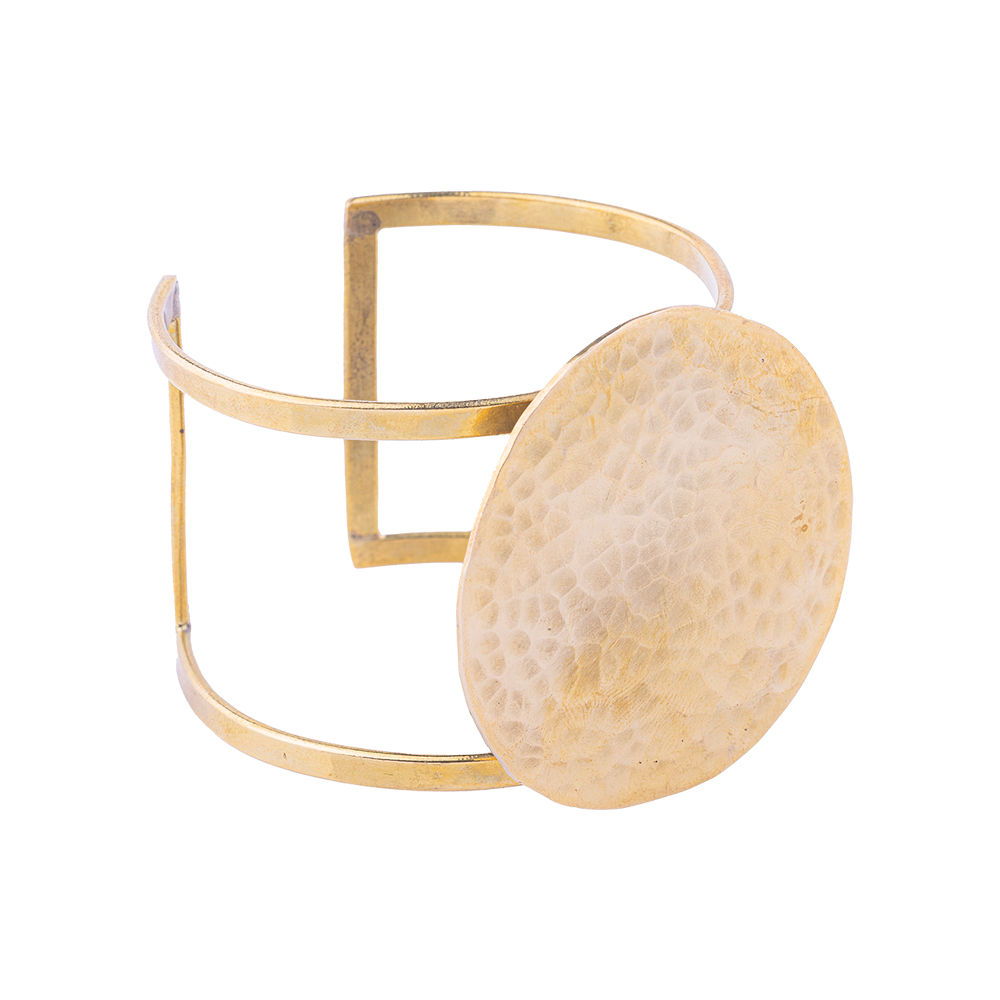
Hammered brass disc cuff

Bracelets & Cuffs

Hammered Disc Cuff

R 560

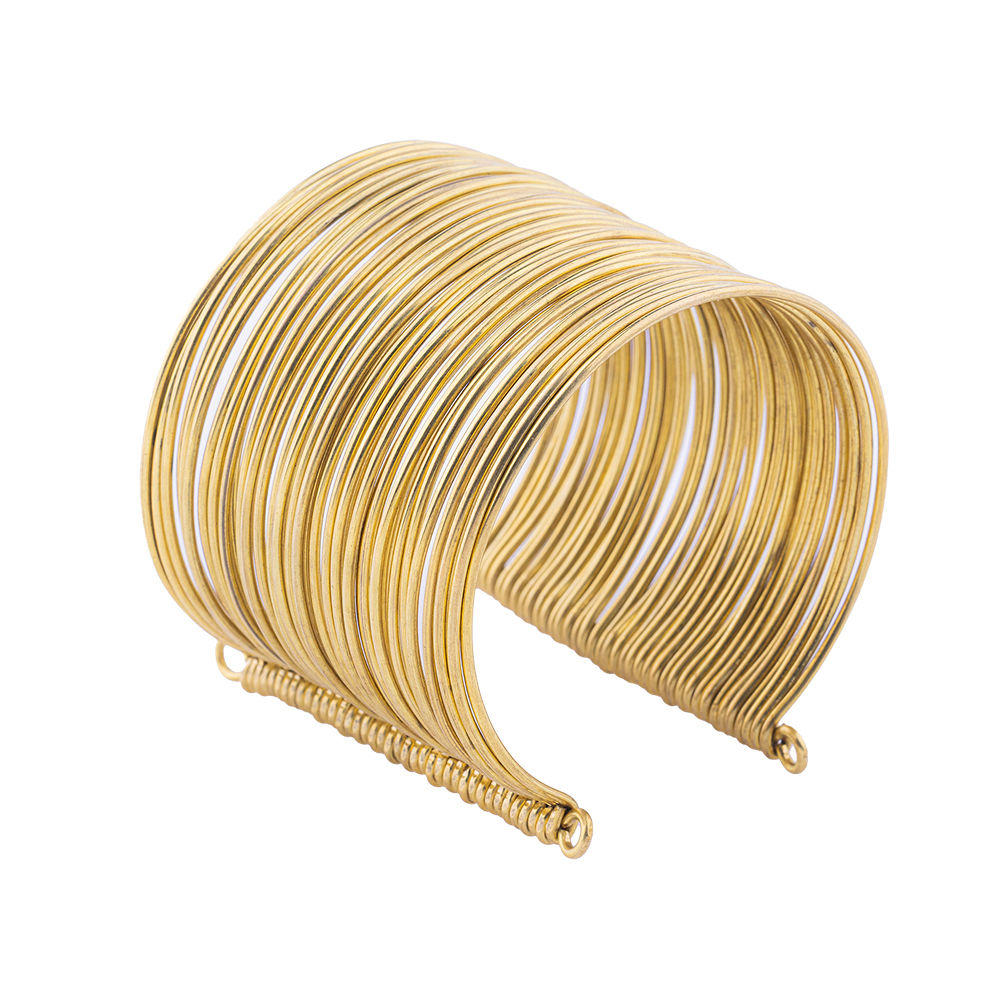
Wide brass wire bundle cuff

Bracelets & Cuffs

Wire Bundle Cuff

R 780

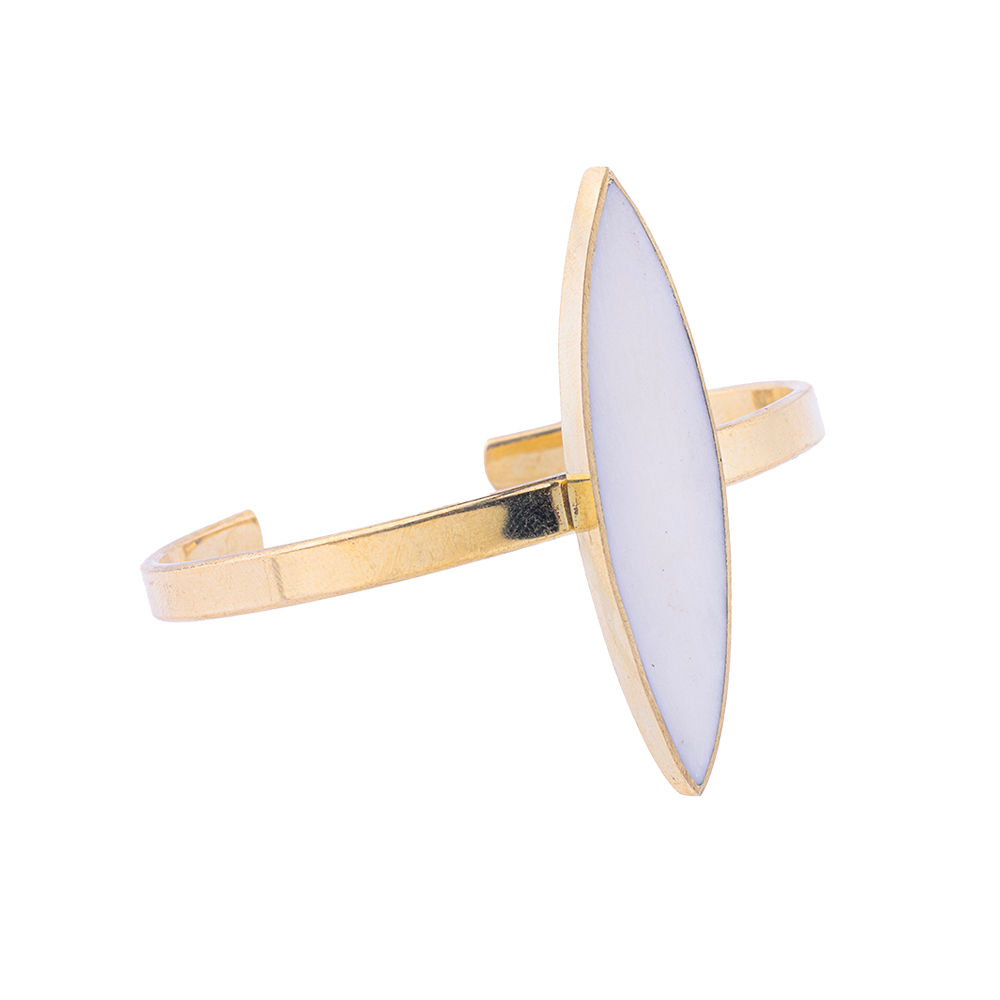
Brass cuff with bone marquise inlay

Bracelets & Cuffs

Bone Marquise Cuff

R 630

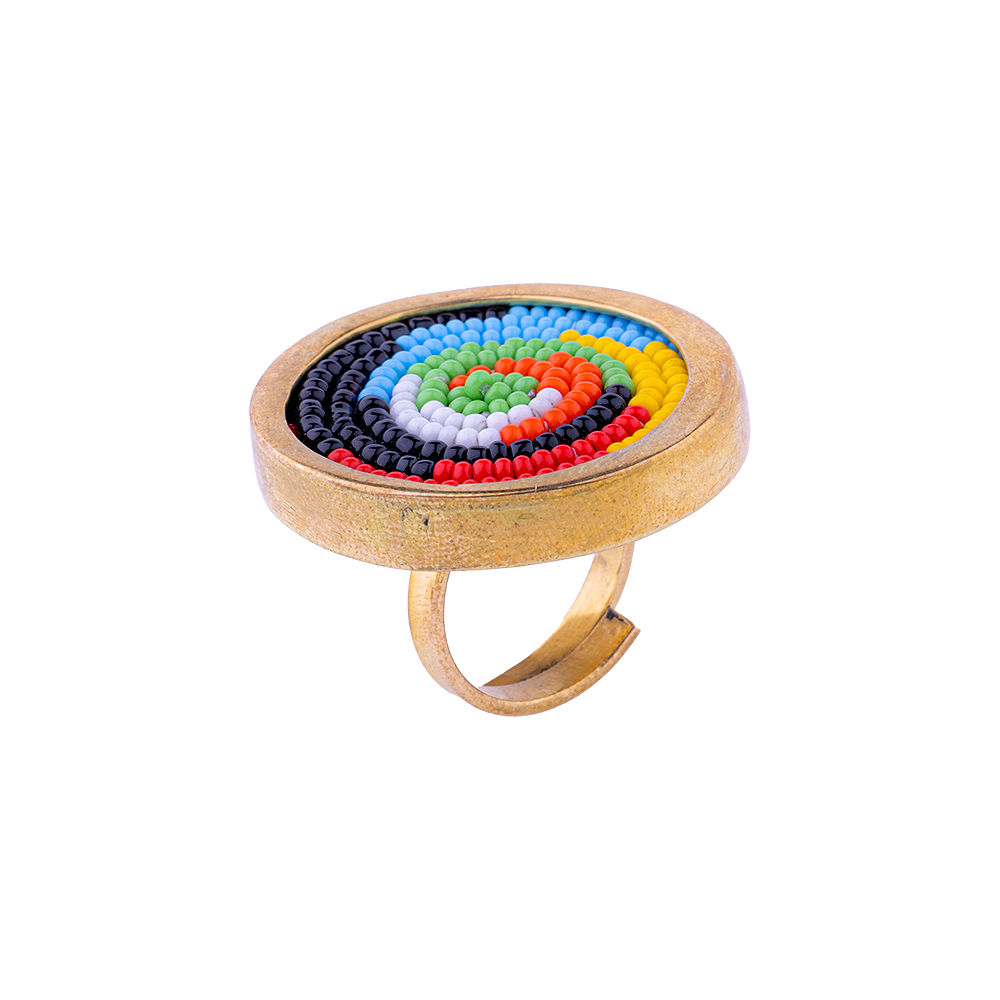
Brass ring with Maasai beaded medallion

Rings

Maasai Medallion Ring

R 350

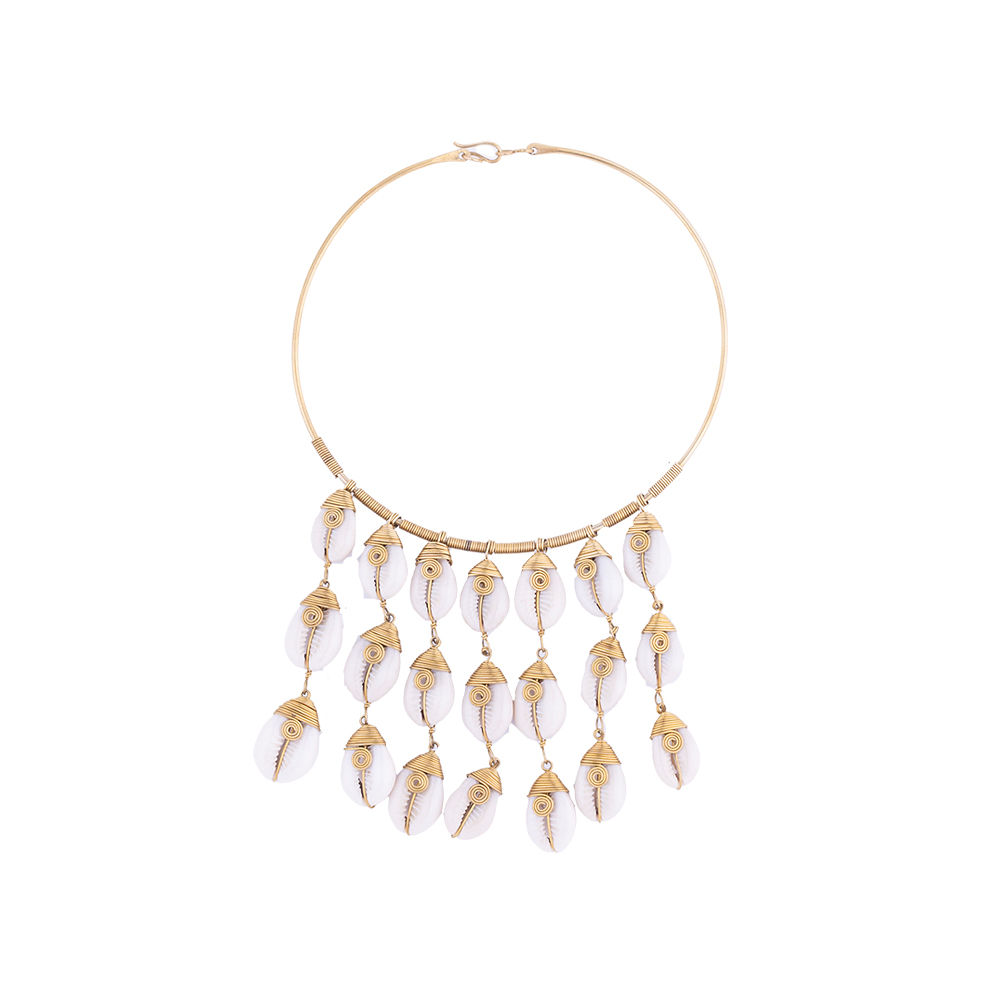
Brass collar with three rows of cowrie drops

Necklaces

Cowrie Cascade Collar

R 1,250

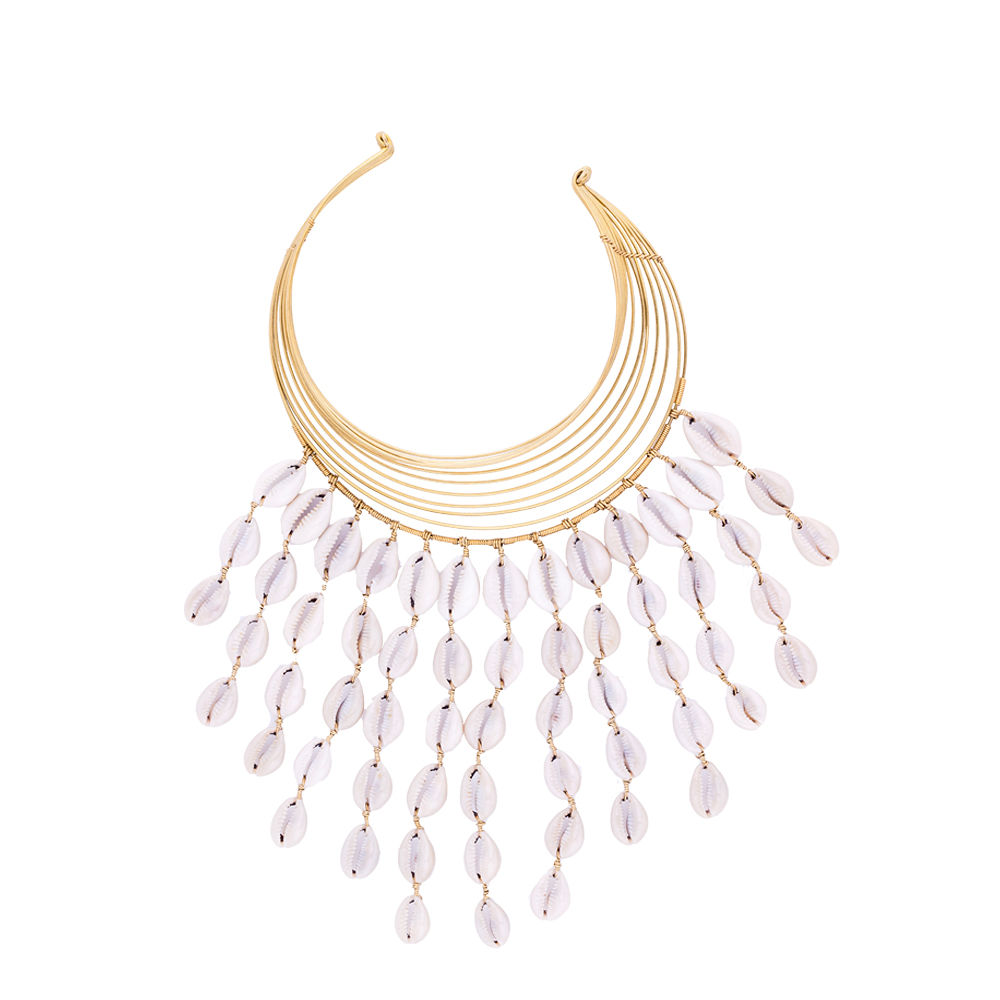
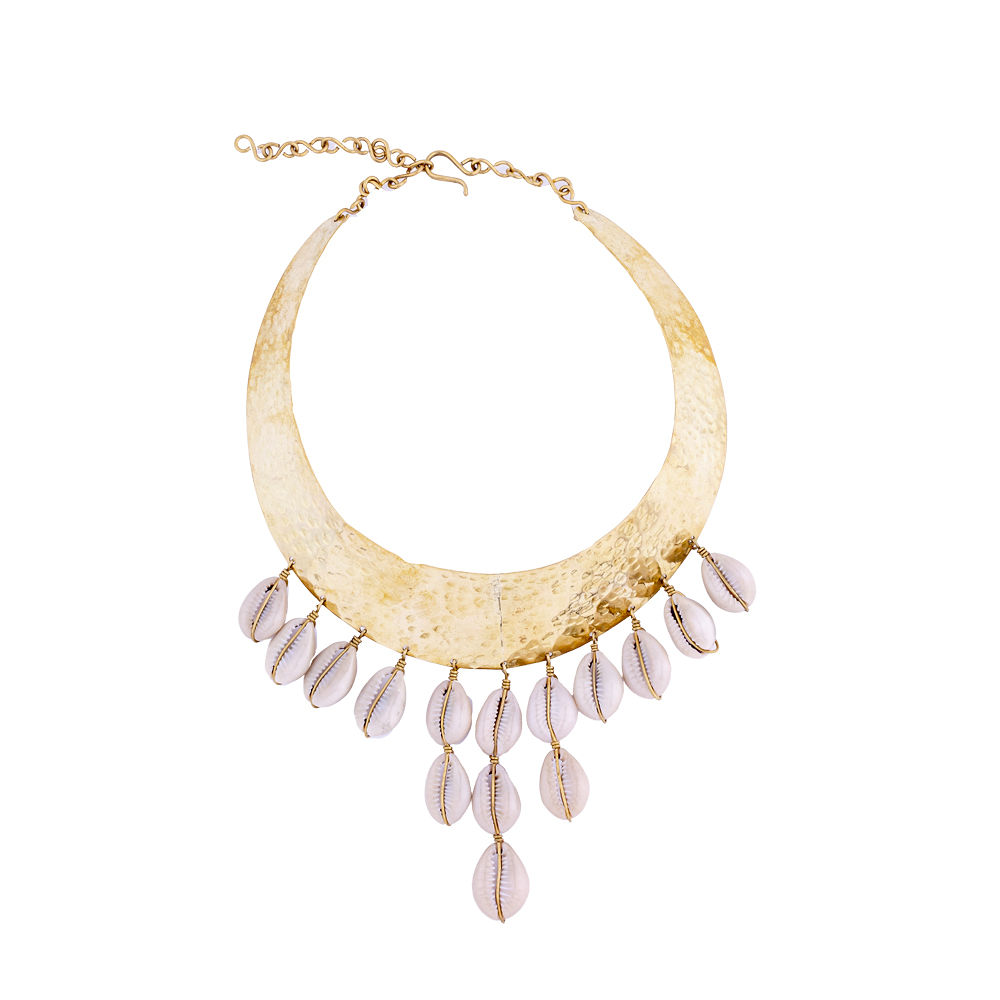
Hammered brass crescent collar with cowrie fringe

Necklaces

Hammered Moon Collar

R 1,350

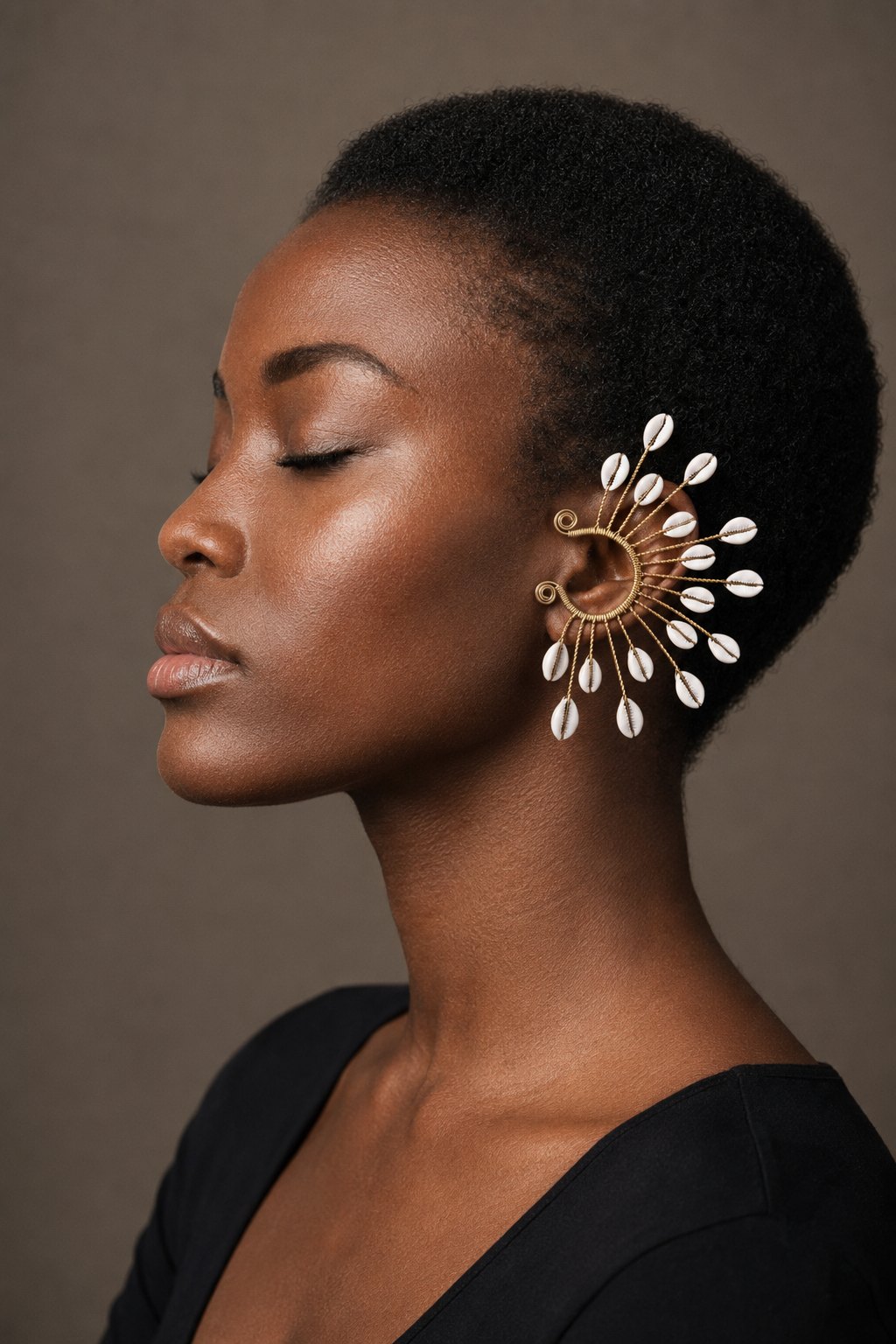
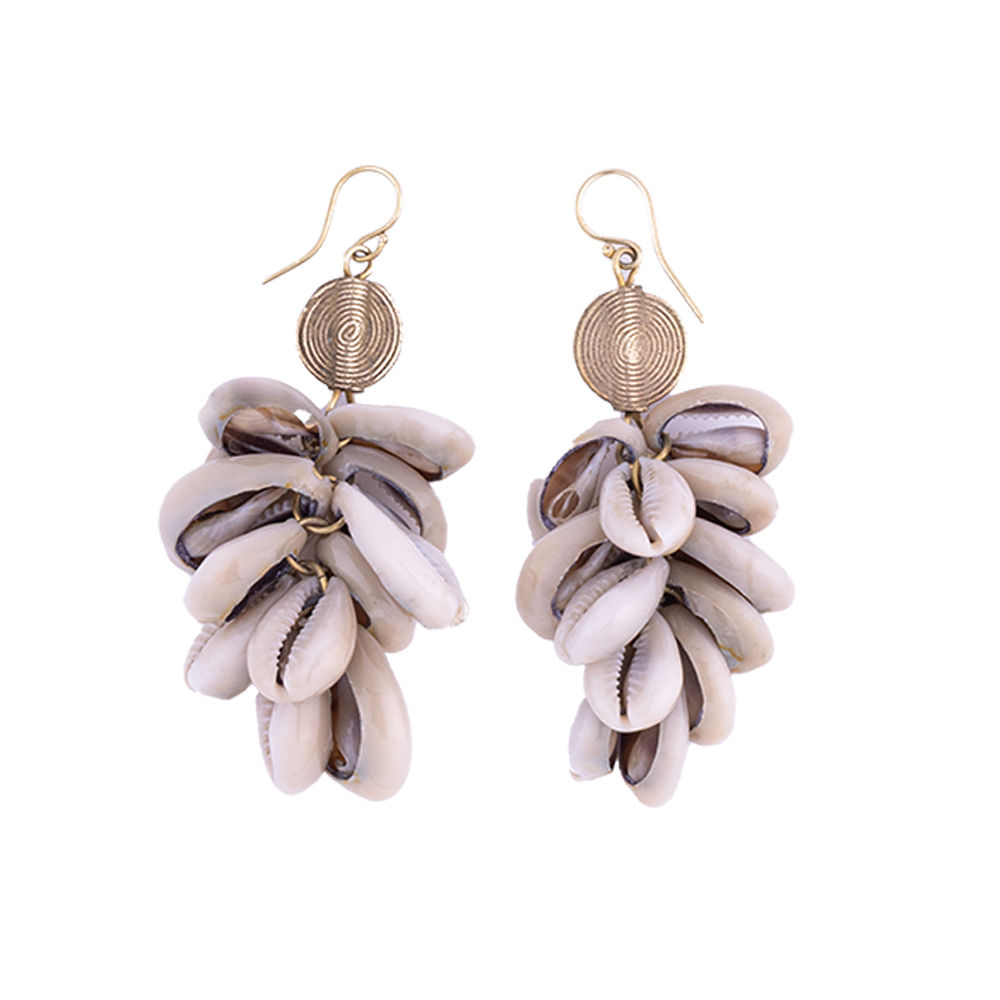
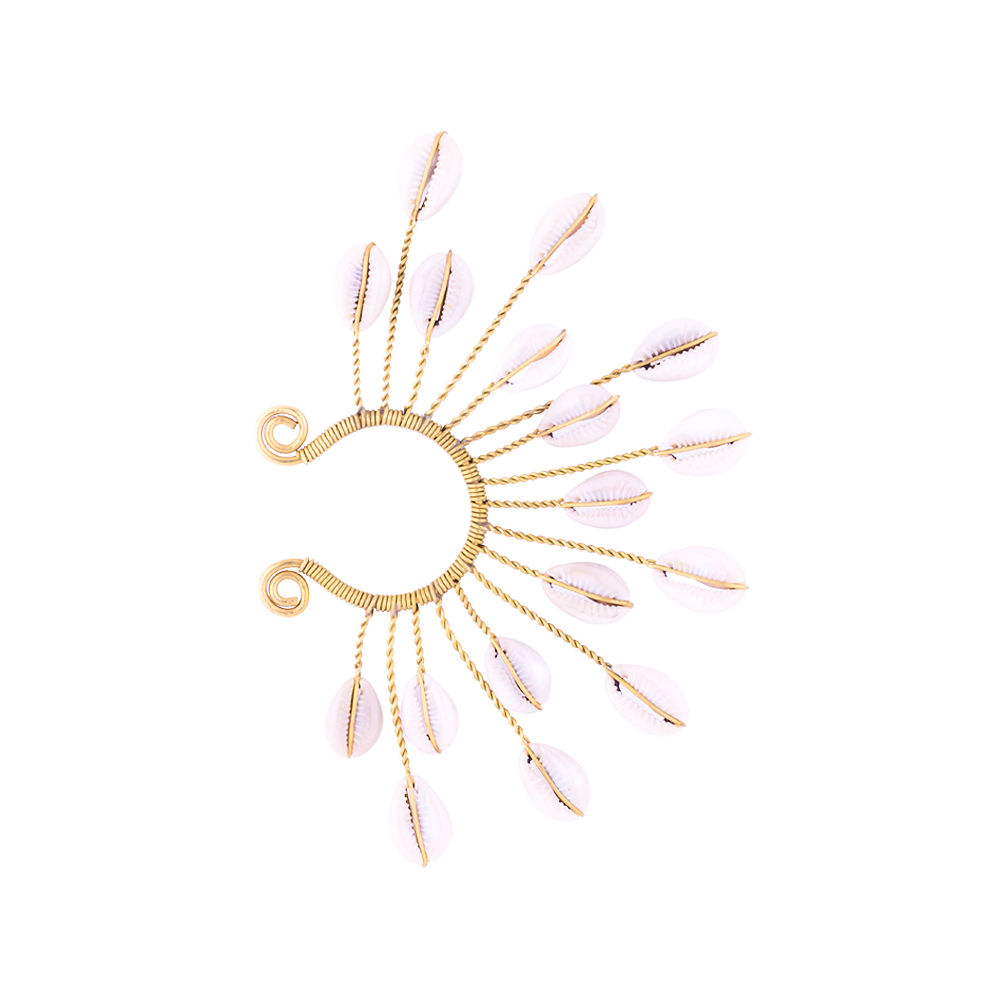
Cowrie shell sunburst ear cuff

Earrings

Cowrie Sunburst Ear Cuff

R 750

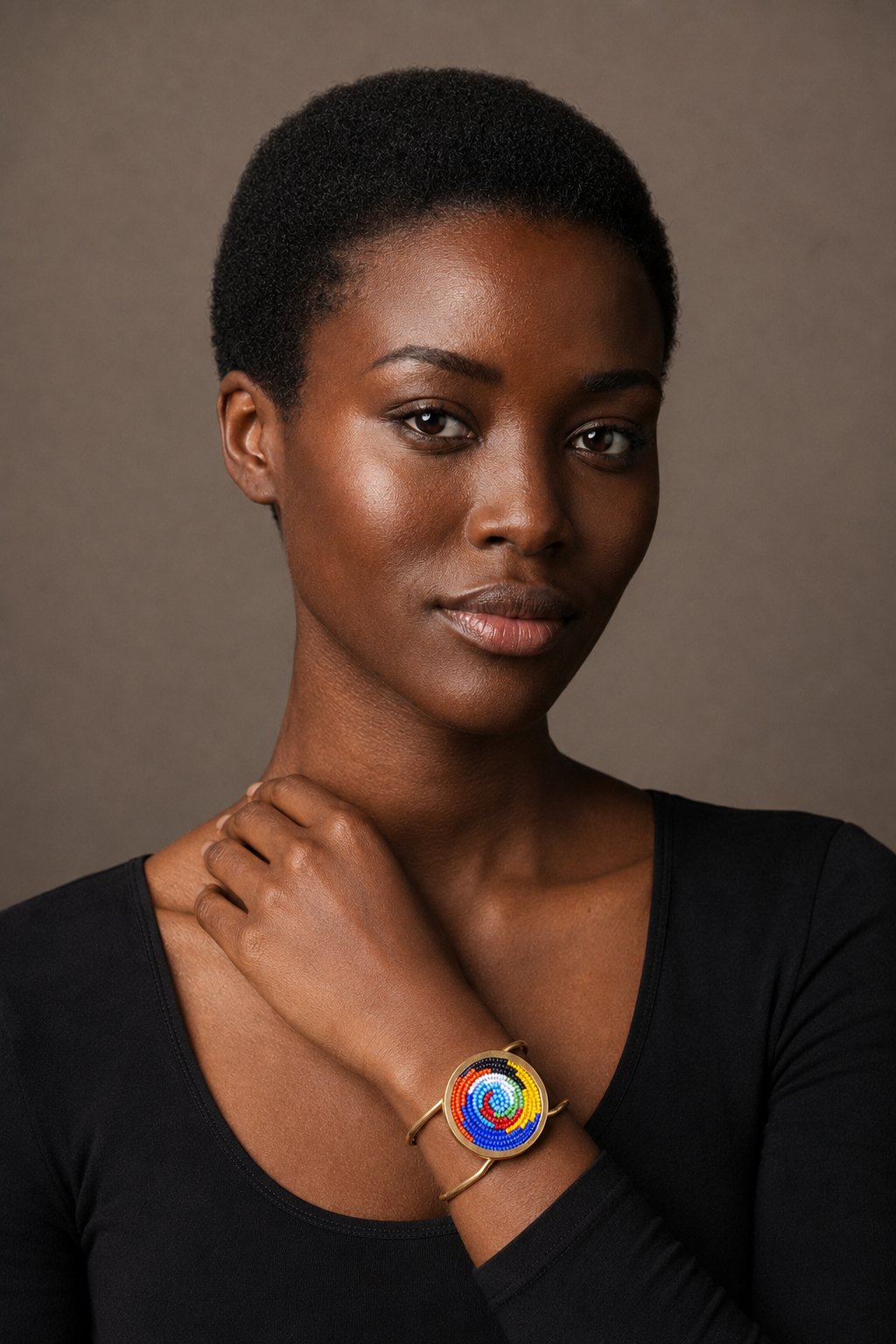
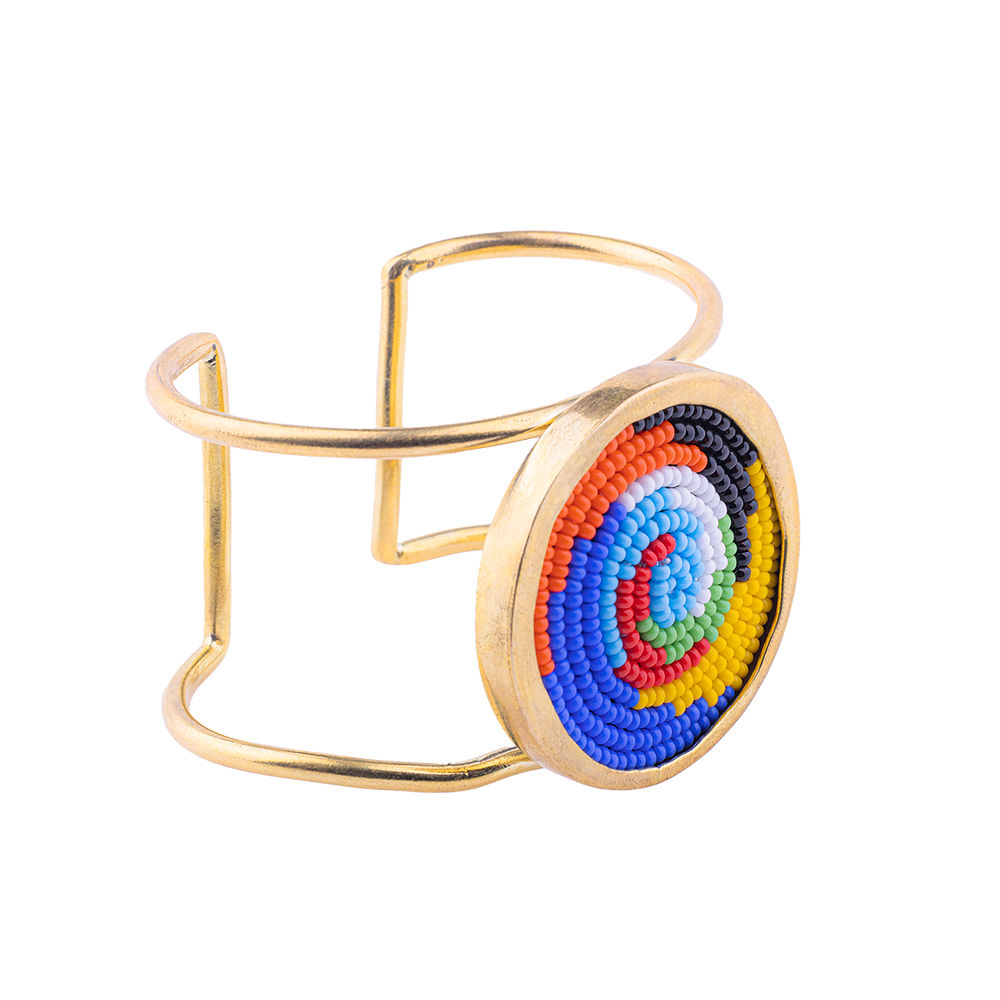
Brass cuff with Maasai beaded medallion

Bracelets & Cuffs

Maasai Medallion Cuff

R 600

Queens who wore their
power as jewellery

Before ZAR~KA was a brand, it was a belief — that African women have always known what crowns look like. These are four of them. Not fairy tales. Not myths. History with brass in it.

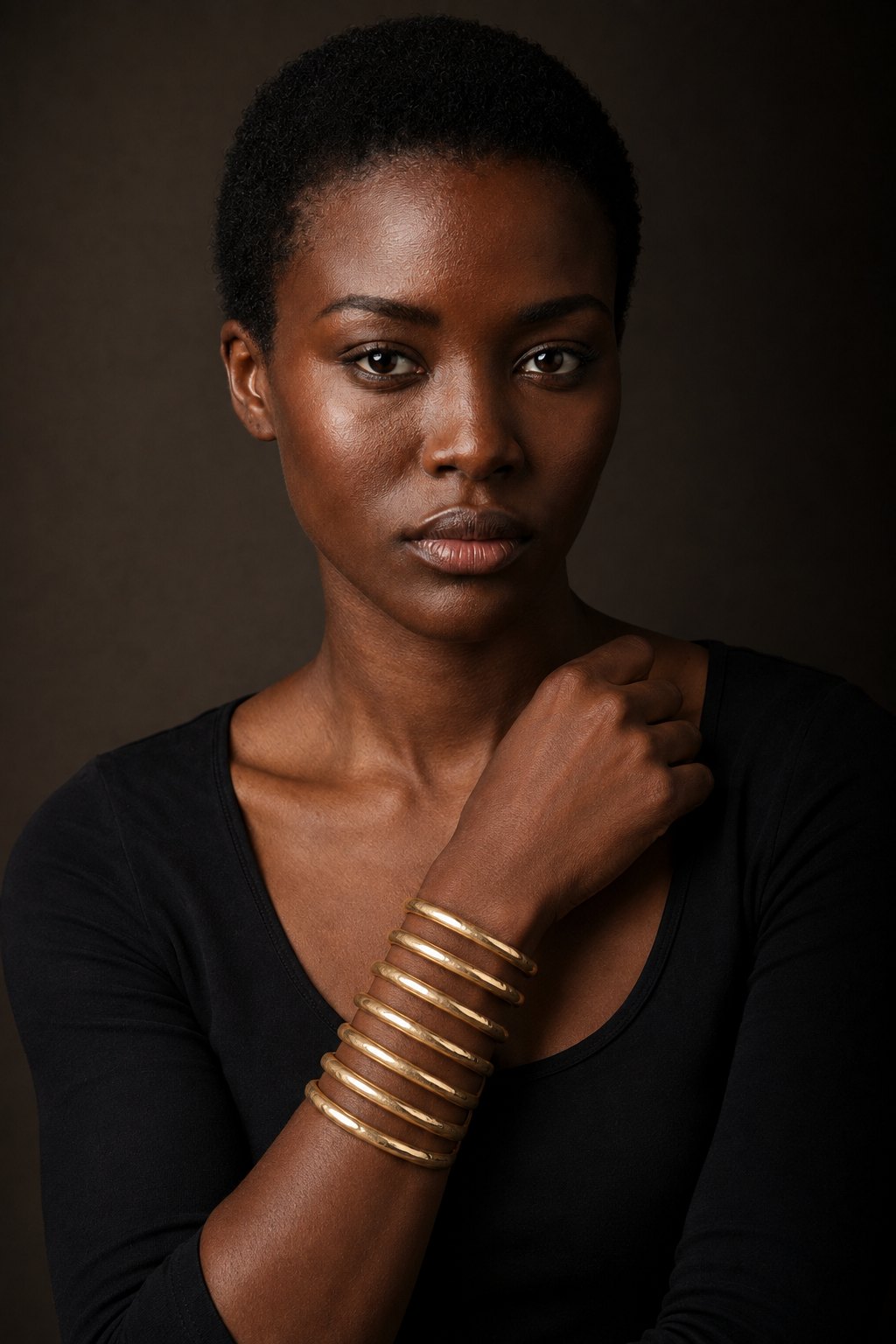
Model wearing a stack of hammered brass bangles
I

Angola · 1583 – 1663

Queen Nzinga

Warrior Queen of Ndongo & Matamba

"She sat on a human throne because they brought only one chair. She wore seven brass bangles because silence was never her language."

The year was 1622. The Portuguese Governor expected a supplicant. He provided one chair — his. The message was clear: kneel, or stand.

Nzinga called one of her courtiers forward and sat on their back. Equals negotiate from equal height. Then she noticed his eyes travel to her wrists. Seven brass bangles. Three on her left, four on her right.

In Mbundu culture, brass was not jewellery — it was genealogy. Each bangle recorded an ancestor, a lineage, a sovereign right. When Nzinga raised her hand to speak, she raised seven generations with it. The Portuguese had never seen an argument made of metal before.

She left that meeting with a treaty. She left her brass behind on purpose. So they would keep wondering what it meant.
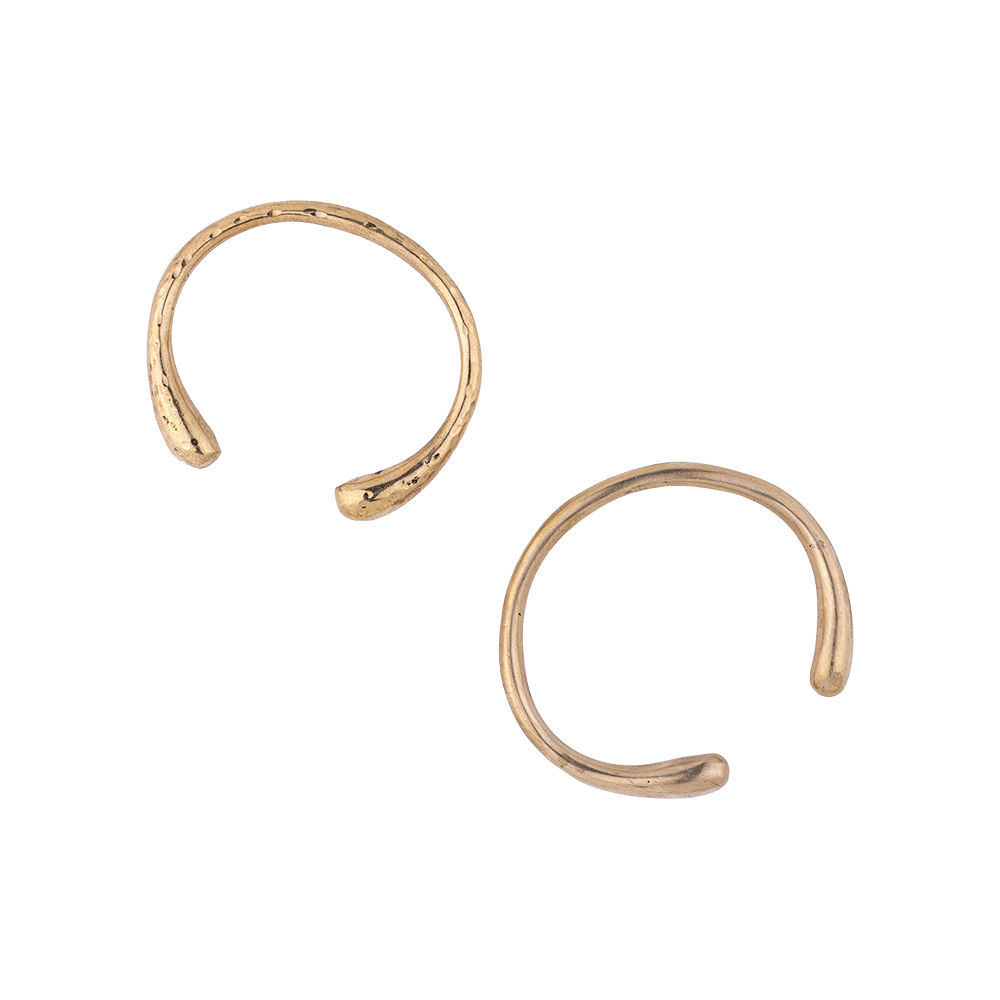
Brass Bangle — Pair

The Nzinga Piece

Brass Bangle — Pair

R 490 · Solid brass
Explore all cuffs & bangles →
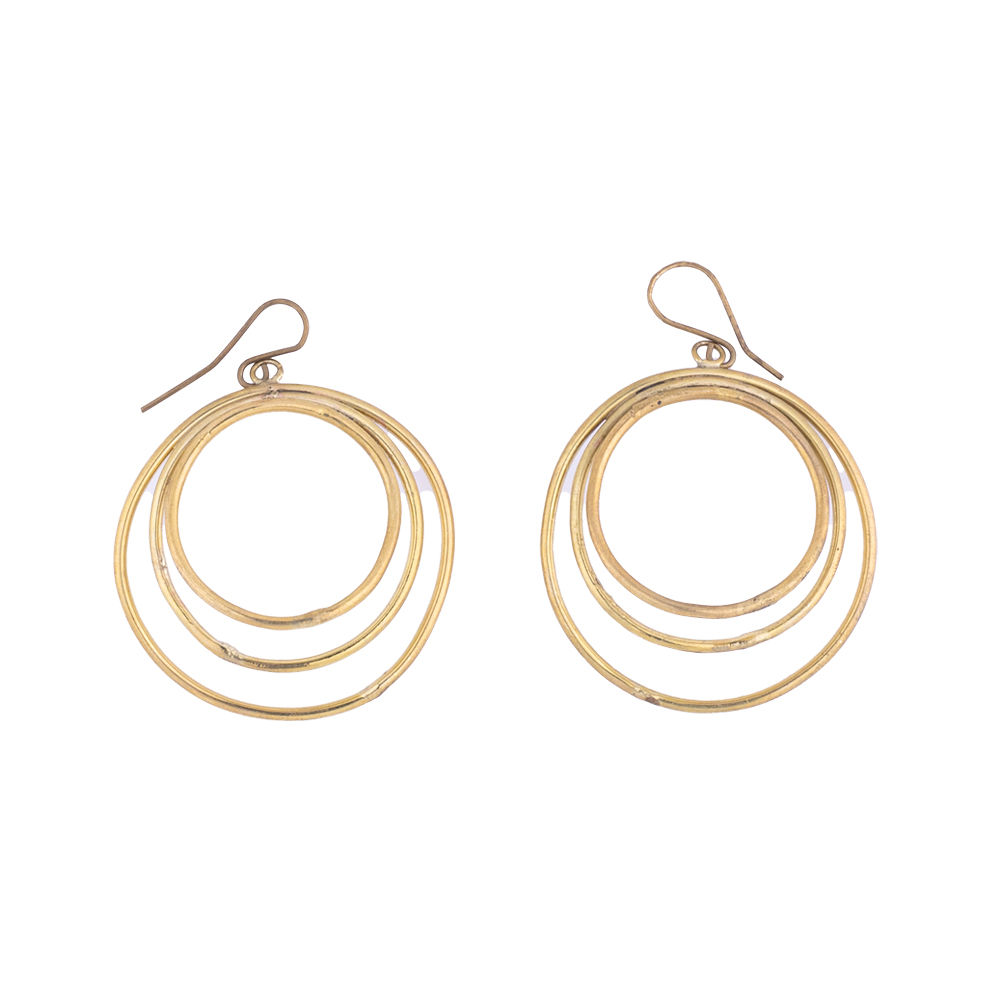
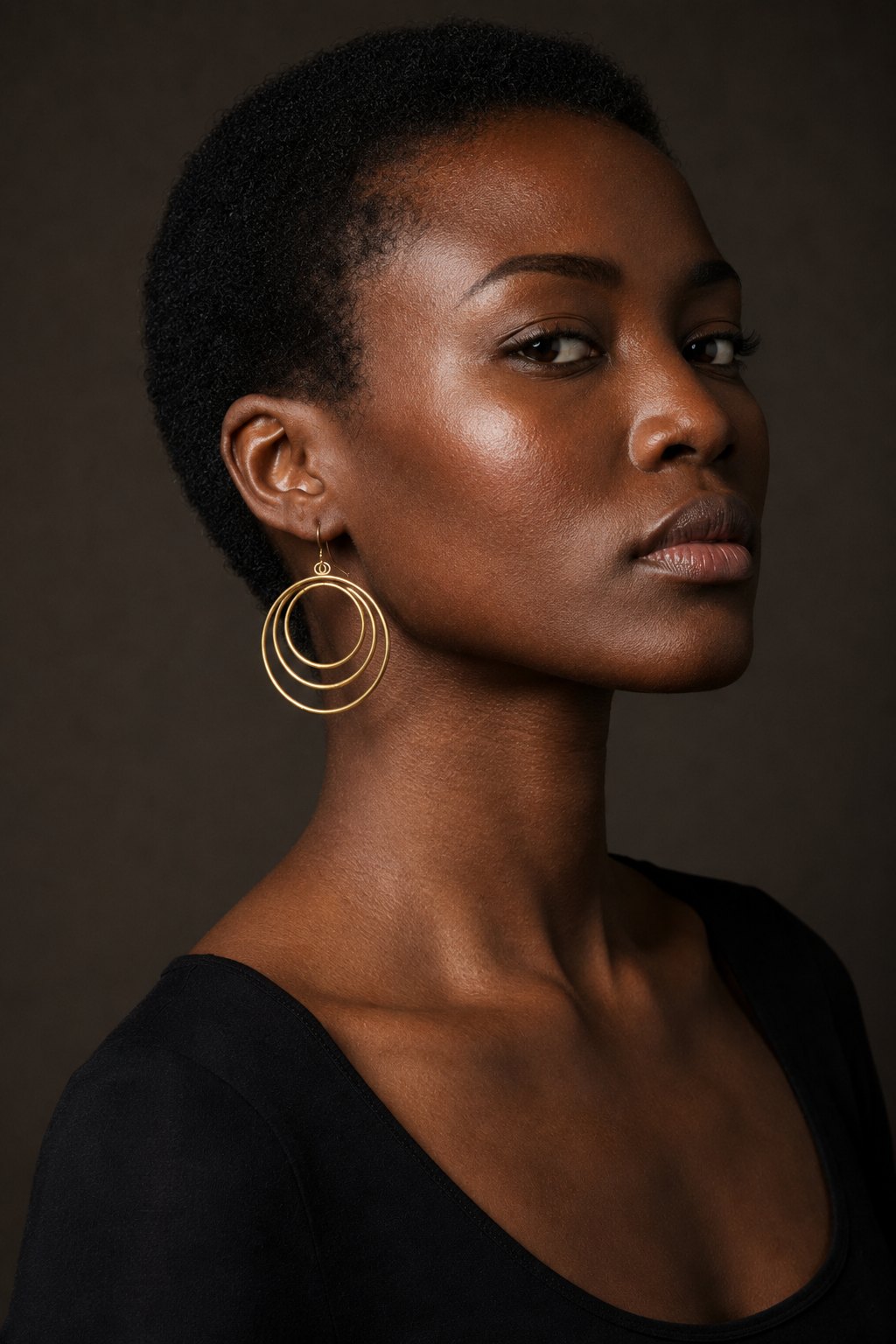
Model wearing the Triple Orbit Hoops
II

Ghana · 1840 – 1921

Yaa Asantewaa

Queen Mother of Ejisu · Commander of the Golden Stool War

"When the Governor sat in the Golden Stool, he sat in the body of the Asante nation — and did not understand why it screamed."

The Asante do not mine gold. They find it. There is a difference.

Gold, in Asante cosmology, is the earth in its finest mood — what happens when the sun enters the ground and stays too long. The women of Kumasi wore it not as status but as scripture. Yaa Asantewaa wore crescent moon earrings, the filigree cuff her mother passed down, wire hoops that caught the harmattan light. Each piece had a story she could recite from memory.

When the British Governor demanded the Golden Stool as his personal seat, sixty-year-old Yaa Asantewaa stood up in the council of men who had gone silent and said: "If you men will not fight, we women will."

The war that followed was named for her. The gold is still theirs.

Triple Orbit Hoops

The Asantewaa Piece

Triple Orbit Hoops

R 430 · Brass wire

Explore all earrings →
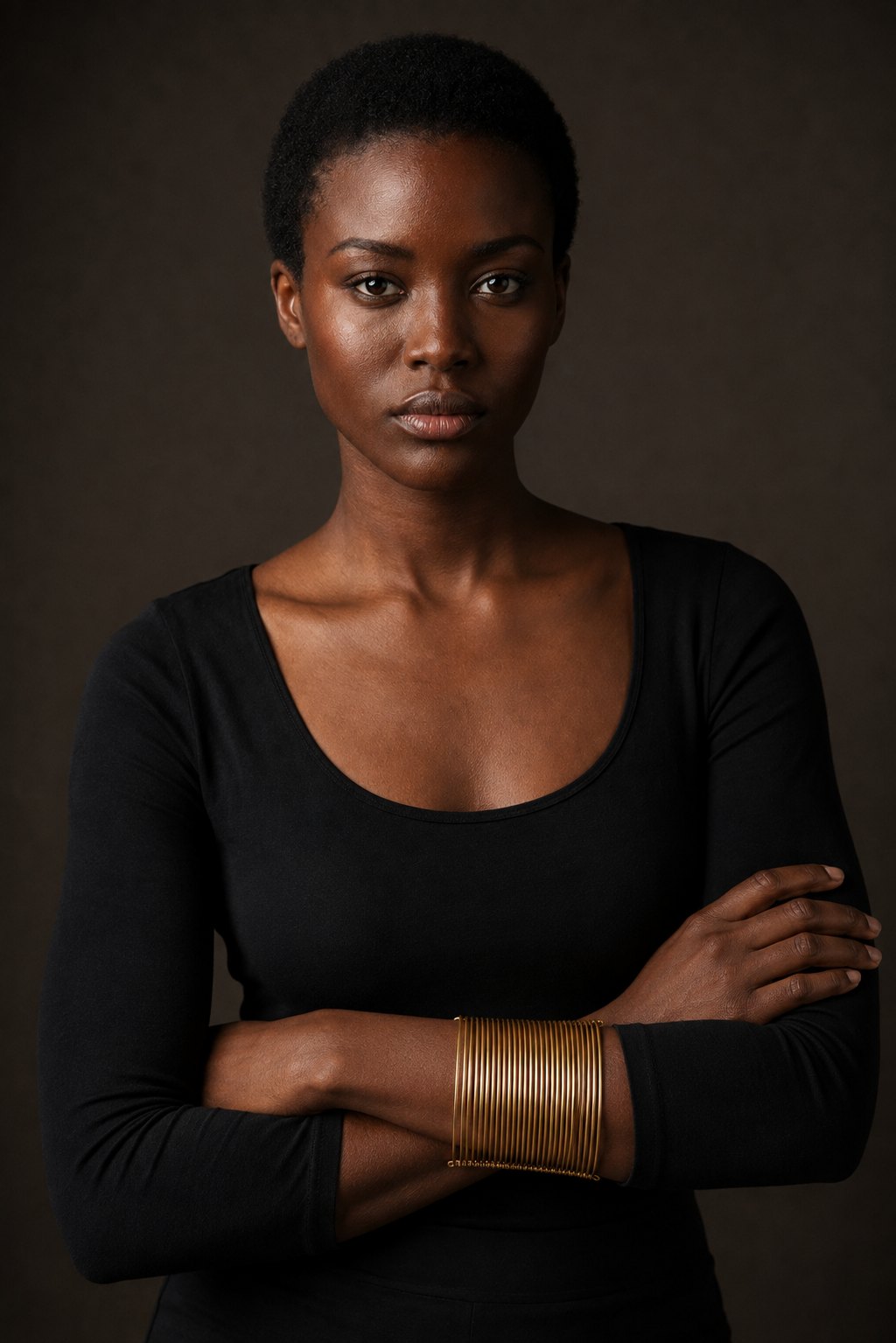
Model wearing the Wire Bundle Cuff
III

Nigeria · c. 1533 – 1610

Queen Amina

Warrior Queen of Zazzau · Commander of 20,000

"She wore chainmail over brass. The iron was for everyone else. The brass was the version of herself she came home to."

There is a story that Amina of Zazzau took a new lover in every city she conquered — and sent him away before sunrise to protect the secret of her strength. The story is probably legend. But the brass is fact.

Hausa archaeologists have found brass objects in the remains of Amina's military camps. Not weapons. Not currency. Jewellery. A choker. Three rings. A cuff with a flat rectangular bar unlike anything else from that era or region.

A woman who commands twenty thousand soldiers still has quiet moments. Amina understood the difference between the face you wear in battle and the weight you keep at your throat when the war is over, the tent is empty, and it is just you and the fire.

She built walls around every city she captured. The walls are still standing. So is the brass.

Wire Bundle Cuff

The Amina Piece

Wire Bundle Cuff

R 780 · Hand-drawn brass wire

Explore all necklaces →
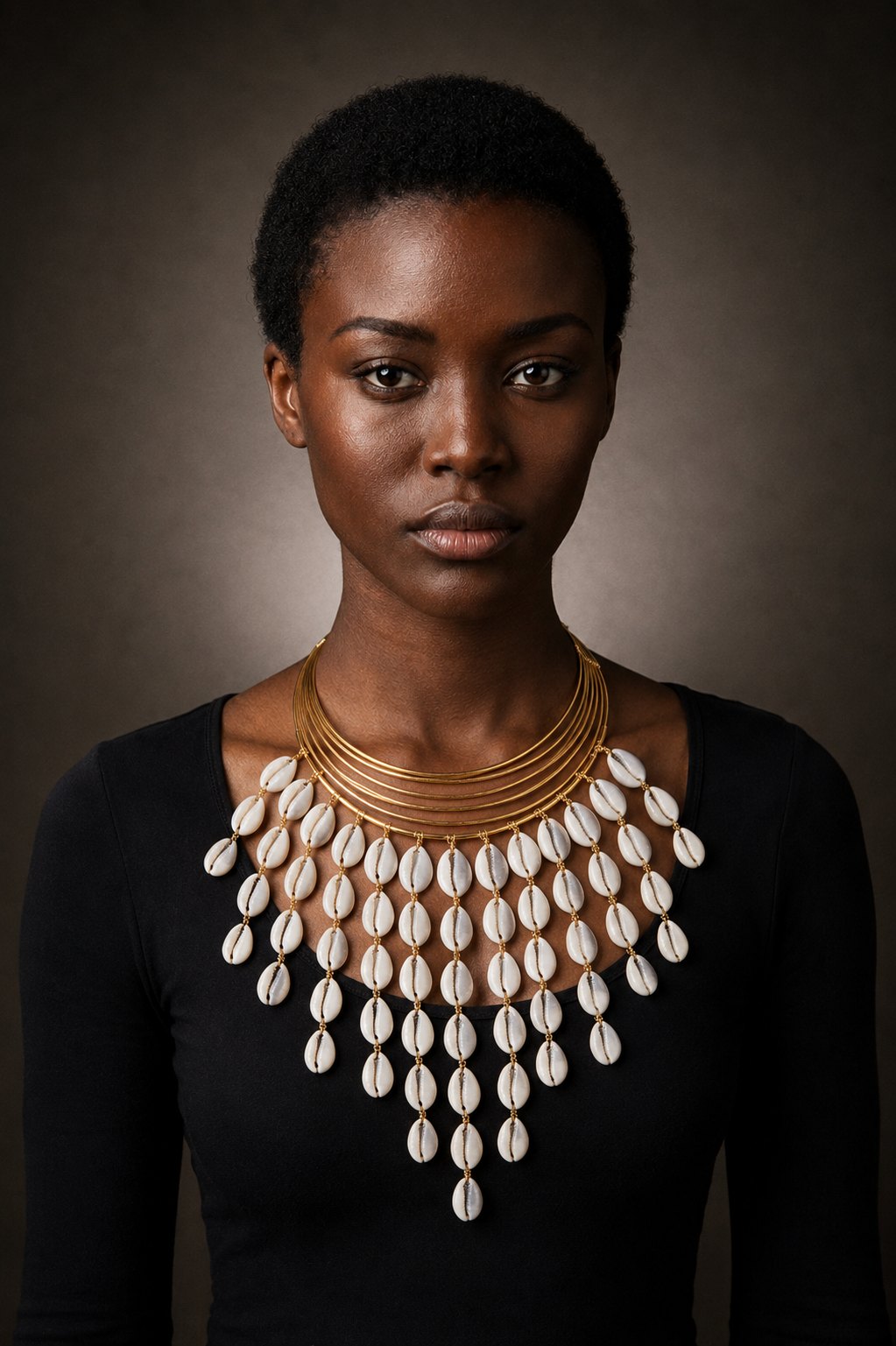
Model wearing the Cowrie Waterfall Collar
IV

Ethiopia · c. 960 BC

Makeda

The Queen of Sheba · Keeper of the First Covenant

"She brought gold to the man who already owned everything. He had never seen it worn like that. She left one piece behind so he would remember the shape of her absence."

The Ethiopian tradition says she arrived in Jerusalem wearing a multi-strand collar of hammered gold discs. Not cast, not carved. Hammered — each disc shaped by a different woman's hand in Aksum. The sound it made when she walked was the sound of harvest.

Solomon showed her his temple, his treasury, his thousand wives. He had never been so deliberately watched. She did not praise his gold. She wore her own.

In Ge'ez, the ancient Ethiopian language in which her story was first written, there is a word — tselot — that means both prayer and adornment. Makeda wore her gold the way other people pray: not for an audience, but as a private conversation with something larger than herself.

On the last night, she removed the collar and set it on his table. A gift — or a claim. She crossed back into Ethiopia already carrying the future. The collar stayed. Everything else came with her.

Cowrie Waterfall Collar

The Makeda Piece

Cowrie Waterfall Collar

R 1,800 · Brass & cowrie · Only 2 left

Explore all necklaces →
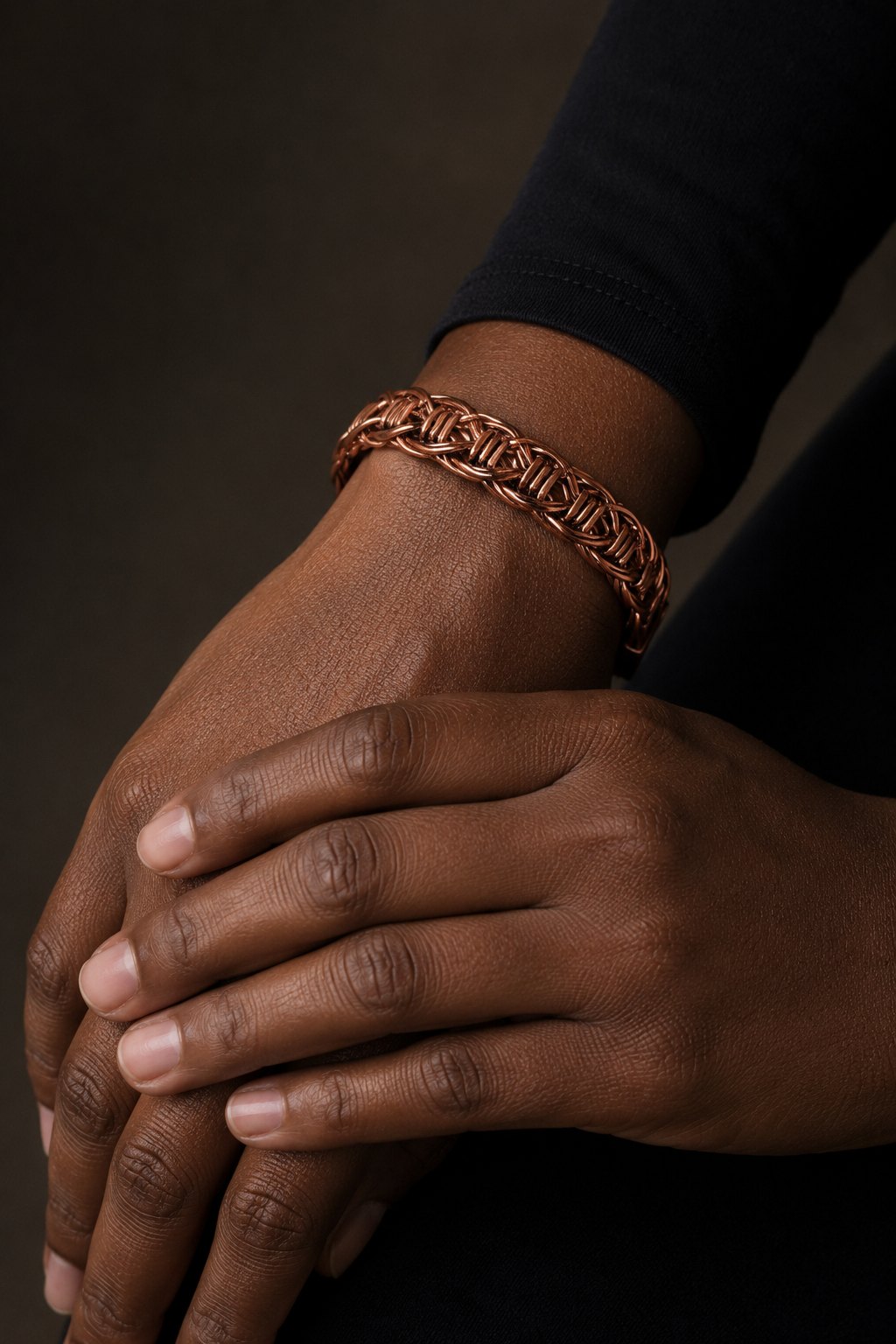
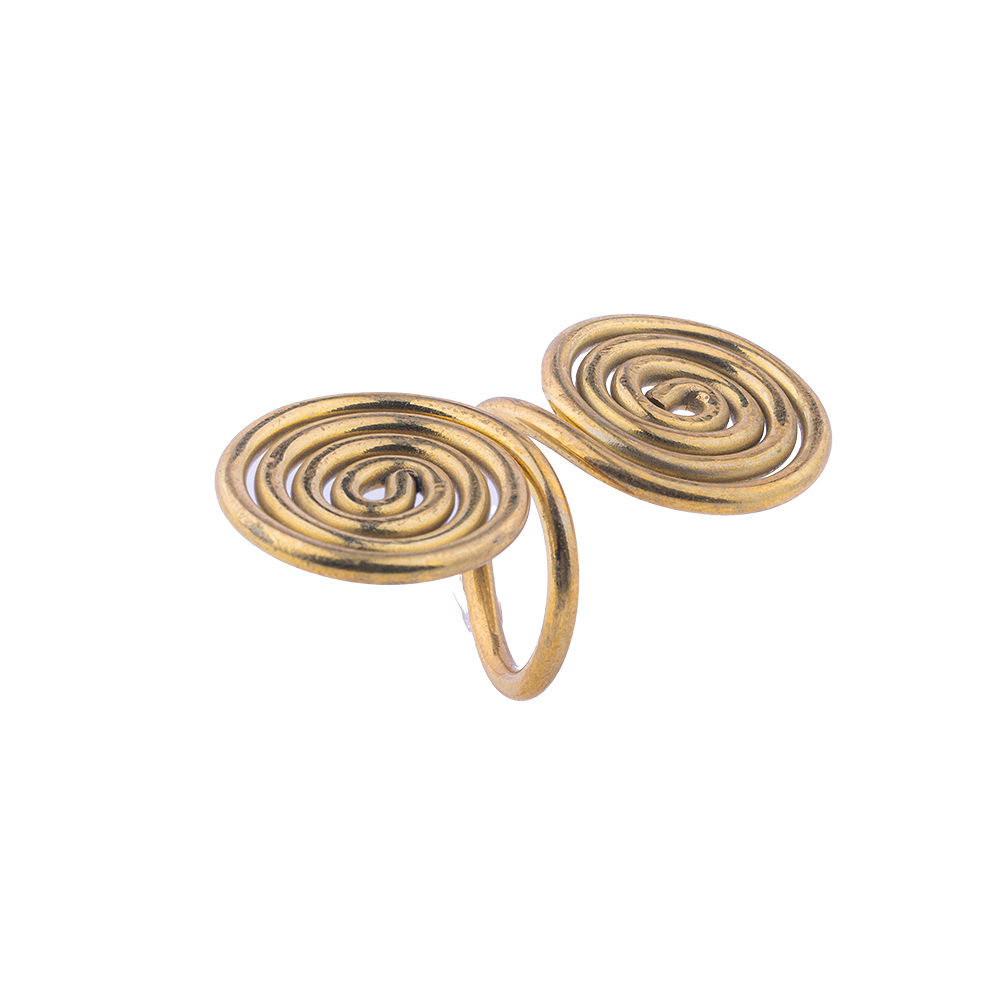
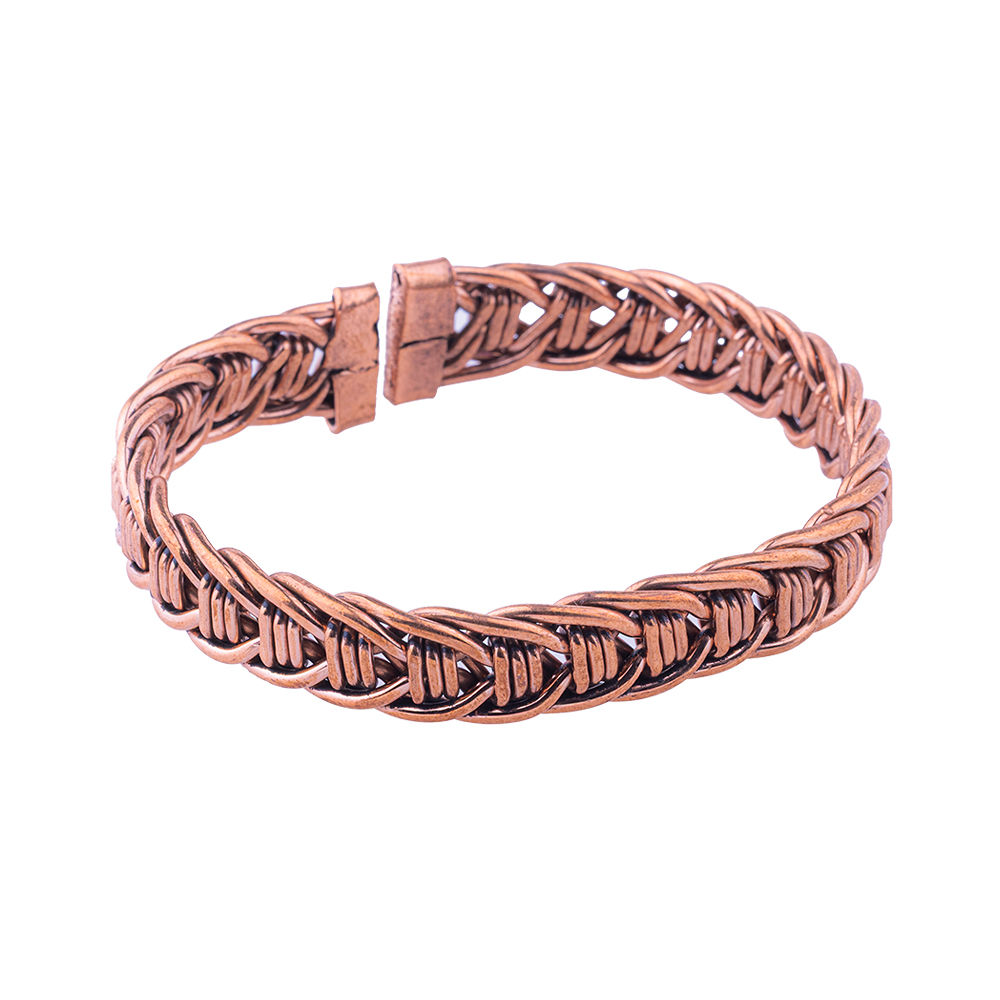
Hand-plaited copper cuff worn at the wrist Double spiral brass ring detail Hand-plaited copper cuff detail

Made by hands that
remember

Every ZAR~KA piece travels through seven pairs of hands before it reaches yours. From the wire workshops off Ngong Road in Nairobi to the beading circles in Kajiado — each artisan brings a technique passed down across four generations of Kenyan women.

We reject fast fashion and mass production. Instead, we make 30–50 of each design, ensuring every piece remains rare — a true artefact, not a commodity.

Ethically Sourced

All brass, beads, and materials are traced to verified ethical mines and suppliers across Africa.

Ancestral Techniques

Maasai beadwork from Kajiado, Kikuyu wire-craft from Nairobi, coastal silversmithing from Mombasa — no shortcuts, only tradition.

Fair Wages, Always

Our artisans earn 3× the local average. When you buy ZAR~KA, you fund a family, not a factory.

"She is not just wearing jewellery — she is wearing the memory of every queen who refused to bow."

— The ZAR~KA Manifesto

Culture is not
a trend.
It is a truth.

ZAR~KA commits 10% of every sale to preserving endangered African beadwork traditions, funding apprenticeships for young women in artisan communities across East and West Africa. Every purchase is a vote for a living culture — not a museum artefact.

Read Our Impact Report

2,400+

Women Supported

Kenyan artisan women across Nairobi, Kajiado, Mombasa, Narok, Kisumu and the Coast receive sustainable incomes through ZAR~KA partnerships.

14

Traditions Preserved

Endangered beadwork and metalwork techniques documented, taught, and kept alive through our artisan school programme.

R 570K

Reinvested Annually

10% of every sale flows directly back to artisan communities — funding workshops, tools, healthcare, and apprenticeships.

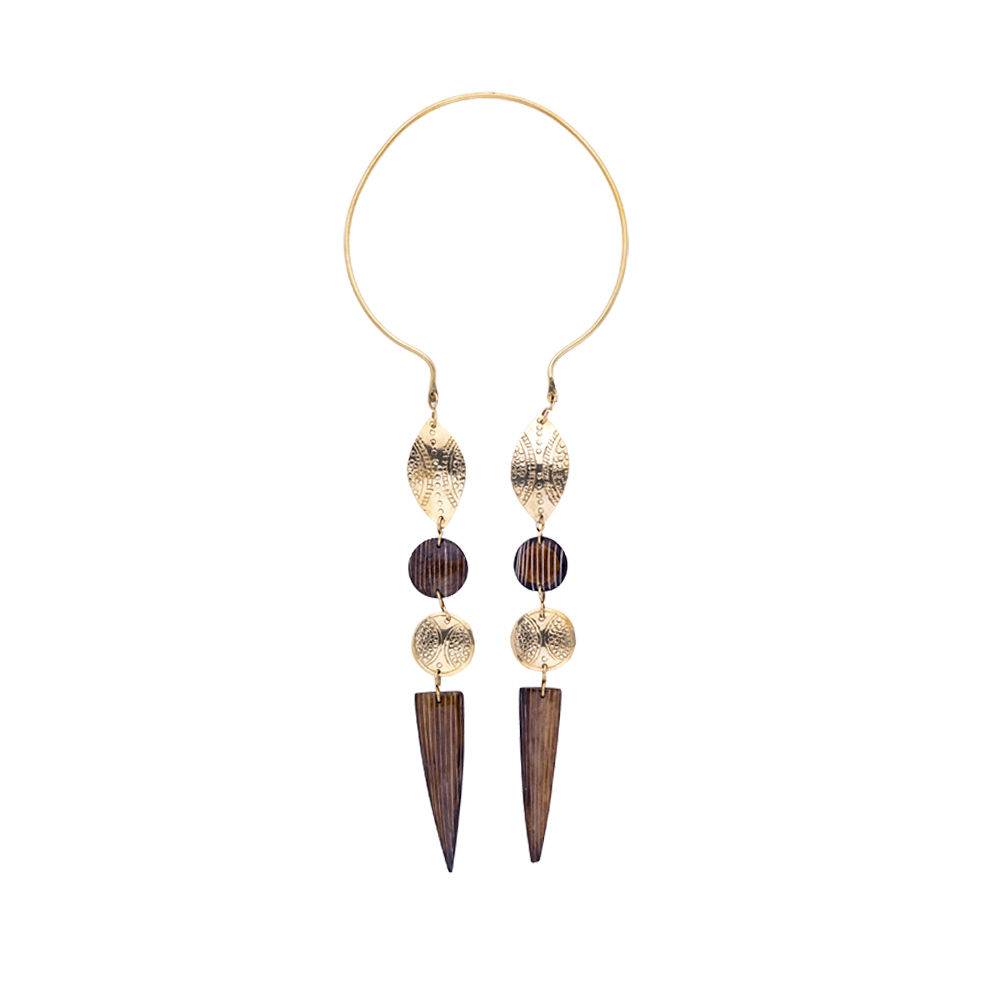
Model wearing the Cowrie Sunburst Ear Cuff Model wearing the Maasai Medallion Cuff Model wearing the Bone Spear Earrings
Model wearing the Nyota Horn Drop Set

ZAR ~ KA · African Royalty

Wear Your
Legacy

Every piece is a crown. Every woman, a queen.

0 pieces

Earrings

0

pieces in this collection

Secure Checkout

1 Details
2 Payment
3 Confirm

Delivery Details

Your Selection

Your cart is empty.

Begin curating →

Saved Pieces

No saved pieces yet.

Explore the collection →